

Locker Room Culture
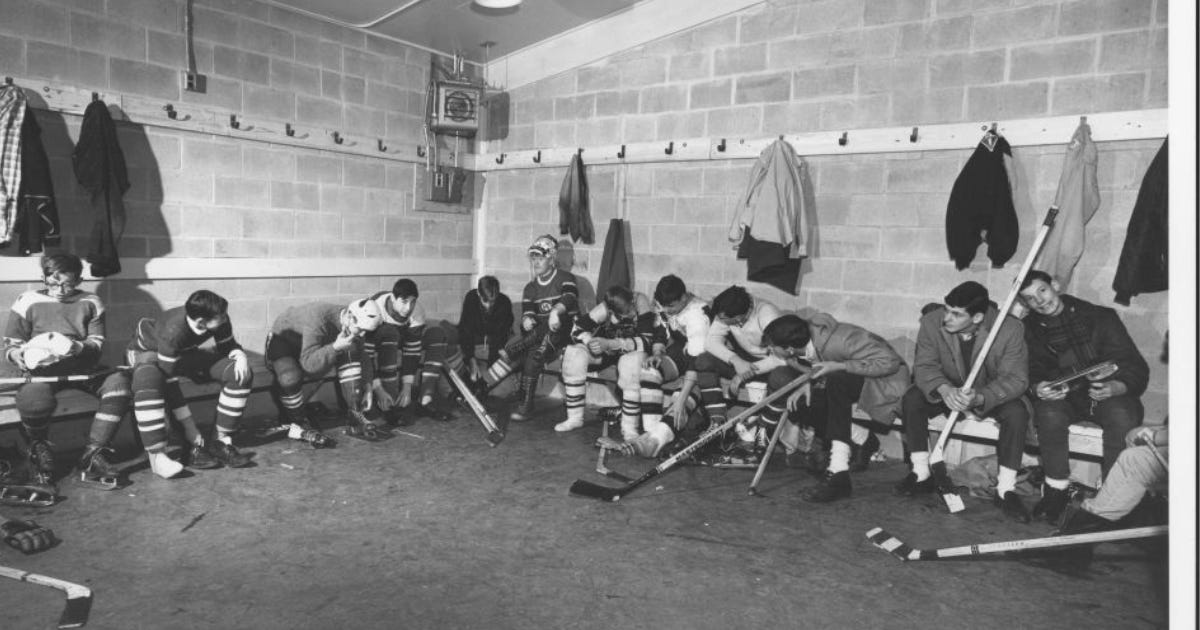
When you walk into any pro hockey locker room, before you say word, you can usually get a sense of the culture.
You can feel if it is alive, loose, and energetic. You can also sense if it is quiet, tense, and void of spark.
The truth is, in pro hockey, you get the full spectrum emotion inside the locker room. Culture isn’t some quote on the wall. It’s not a slogan the team prints on a shirt. Culture is how the team treats each other when things are going well, and especially how they treat each other when things get tough.
Puzzle Pieces of a Team
There are key characters and concepts in every locker room that can push a team toward a winning culture or drag is toward a losing one.
No two teams are built the same way. Every room has a different mix of personality types, players, leaders, workers, skill guys, veterans, young guys, quiet guys, loud guys, and guys still trying to find their role.
That mix says a lot about a team.
Over a long season, talent is obviously important. But so is the feeling in the room. So is the way players respond to pressure. So is the way people treat each other when they are tired, sore, and frustrated.
Here are a few of the puzzle pieces you can usually find in a pro hockey locker room.
The Glue Guy
A good locker room guy does not necessarily mean a nice guy.
Simply put, it is a guy who just makes the room better.
He brings honesty without poison. He competes selflessly. And he shows up when the team needs him most. He can tell the truth without making the room heavier. He can joke around without always making someone else the target. He understands that his mood affects the group.
These guys don’t always put up tons of points, so they are often the type of guy who is considered an unsung hero. They are often called the “glue guy”, they are essential to team success.
You would be hard pressed to find a championship hockey team that doesn’t have at least one of these guys.
They are funny, goofy, and make the mood in the room lighter. They keep a team from self imploding when times are tough. They are the heart beat of a team.
Within minutes of being around a team you can usually tell who this guy is. They are usually vocal, comfortable, and connected to everyone. They have a way of keeping the room from getting too tight.
Every team needs talent. But every team also needs someone who can make a long season feel a little less heavy.
The Energy Vampire
No team is perfect, and no player is perfect either.
Sometimes there is a guy in the room who just makes everything feel heavier. He might not be a bad person. He might be frustrated, hurt, insecure, unhappy with his role, or going through something outside the rink.
But whatever reason, the effect is the same.
The room feels worse when he is around.
These players can suck the good vibes out of a room. Hockey people sometimes call them “cancers”. But I don’t love that label because it make sit sound like the person is beyond saving. A lot of the time, these guys are not evil or malicious. They just have not worked through their own problems yet.
Still, the impact on the team is real.
They bring tension where it isn’t needed. They make it about themselves. They can divide a room without even knowing it.
The hard part is that these players are not always obvious from the outside. Sometimes they are talented. In fact most of the time they have elite talent.
As time goes on, you feel the heaviness of their presence.
The room gets tighter. The teams starts carrying more than just hockey problems.
One player does not usually destroy a team by himself, but one player can make a hard season even harder.
Mr. Prepared
There are usually a few of these guys on any given team.
These are the players who do everything the right way.
They show up early. They have a great pre practice and pre game routine. They never miss a workout. They have a good diet. They are organized, consistent, and professional.
Basically, they are a coaches dream.
These guys are very valuable as players who lead by example. Young players can watch them and learn what being a pro actually looks like. They show that preparation is not glamorous. It is usually boring and repetitive.
That being said, preparation alone is not enough.
At the pro level, a lot of players are prepared. A lot of guys work hard. A lot of guys have great routines. You cannot make it on those qualities alone. But when preparation is combined with talent, competitiveness, and a team first attitude, it becomes powerful.
Mr. Prepared raises the standard of the room.
He might not be the emotional leader or the most skilled player, but he gives the team a model of consistency. Over a long season, that is valuable.
Pure Skill Guy
Then there are the pure skill guys.
These players have an innate ability to play hockey. They may not dot all the i’s and cross all the t’s when it comes to off ice training, diet, or recovery. They may not look like the poster of what a pro athlete should be. But when the puck drops they produce at an all star level.
Think of players like Phil Kessel, who was never in the best shape. He was known not to take diet or off ice things too seriously. But he was an elite NHL player. Or Alex Ovechkin. He drinks Bud Lights like they are going out style. Yet, he is the best goal scorer of all time.
Some players just have enough natural ability to have a huge impact without checking every traditional box.
That doesn’t mean they don’t care. It doesn’t mean they don’t compete. A lot of these guys are killers when the game starts. Highly competitive.
It just goes to show there is more than one way to be great and have a profound effect on your team.
A team needs prepared guys. It needs glue guys. It needs veterans. It also needs players who can have a huge impact while seemingly not trying at all.
The Veteran
These guys are essential for a team to win a championship.
They stabilize the room when things get rough. They are like old sages that young players can bring their questions to. They understand the rhythm of the season. They know when the room needs energy, when it needs honesty, and when it needs calm.
They are often the true leaders of a locker room even if they aren’t always the captain.
As I have aged into the veteran roll, I have noticed that when shit hits the fan, players look to the veterans to see how they handle it.
When a team is losing, young players look around.
Is everyone panicking?
Is everyone blaming each other?
Are the older guys calm?
Are they still sticking to the game plan?
That is why good veterans cannot let their emotions get the best of them. It does not mean they don’t care or are disengaged. It means they understand that their reaction affects more than themselves.
Great veterans are a stabilizing force.
A player that comes to mind is Brooks Orpik towards the end of his career. He wasn’t always the captain, but you could tell he was the heart beat of the teams he was on. He brought a sense of calm that you didn’t need to be in the locker room to see.
Those players matter more to teams than most fans realize.
The Roller Coaster of a Season
During a season a team will go through many highs and lows.
I have been asked a lot what that is like. It is hard to explain unless you have lived inside it, but I will do my best.
The mood of the room changes throughout the year. Sometimes it feels light and confident. Other times it feels tense and fragile. Most of the time, it is somewhere in between.
That is the real challenge of the season.
Not just winning games. Not just staying healthy. How just managing travel, practice, and pressure.
It is managing the weather in the room.
The Ups
The goal of any season is to ride the highs for a long as long as possible and to hopefully end on a high note.
During these times things feel great.
The music is sweeter. Guys are laughing. Practice feels effortless. People are confident. Everyone feels like they are contributing to the success of the team.
If you have an off night, someone else is there to pick you up. If you make a mistake, it doesn’t feel like the end of the world. At the highest of highs, you can even lose a game and the team seems to forget it happened by the next day.
Some teams ride these highs for almost and entire season.
That sounds ideal, and in a lot of ways it is. But it can also create a problem.
Going through adversity is an important part of building the fortitude to win a championship. Teams need to be tested. They need to feel pressure. They need to know what it feels like when things aren’t going their way.
Because eventually, in the playoffs, something will go wrong.
The team that has only known smooth sailing can panic in the face of such adversity.
So as strange as it sounds, the lows matter too.
The Lows
The lows suck.
It feels like you can’t buy a win. Seemingly every little mistake ends up costing the team. Even when you play well, somehow you end up on the losing end of the score.
This is when it can be tough going to the rink everyday.
The room gets quieter. The jokes go away. Guys start gripping their stick tighter. Coaches get tense. Meetings feel heavier. Everyone wants a break, a bounce, or some kind of mental reset.
For me, I have found that during these parts of the season, it can be beneficial to throw yourself a curveball.
Change something.
Go for a long drive on a day off. Do something unusual. Break the routine. Find a way to jolt yourself out of the funk.
That can also be useful for the team.
A good coach can spot when the team is stuck in a low and knows when it is time to change the energy. I have had coaches make everyone start practice with a wrong handed stick. I have had coaches start practice with a short scrimmage using multiple pucks at once.
Nothing too serious. Nothing too complicated.
Just something to get the juices flowing again.
Ultimately, the important thing is to remember that the lows don’t last forever. You have to learn as much as you can during those stretches because they are an essential part of becoming a championship team.
The lows reveal what the room is really made of.
The In Between
In all reality, most teams spend a majority of the season somewhere between a high and a low.
Not great. Not terrible.
Just in the grind.
These are the dog days. The middle of the season. The part nobody really talks about.
You might not feel amazing, but you are not falling apart either. Maybe motivation is low, but you are still performing well enough. Maybe you are grinding hard, feeling motivated, and still not executing the way you normally do. Maybe the team is not playing its best, but its is finding ways to get points.
These stretches matter more than people think.
The teams that handle the in between well usually finish near the top of the standings.
Every season I have played, there have been days and weeks like this. Days where nothing feels special. Days where the rink feels quiet. Days where your body is tired. Days where the season feels long.
What I have learned is that you can make big strides as a team and as a player if you can take those ho hum days and still get something out of them.
For a team, that might mean finding a way to win even when you are not playing great.
For a player, it might mean willing yourself to have a good performance when you do not feel sharp, motivated, or confident.
That is where a lot of growth happens.
Not in the emotional highs. Not always in the dramatic lows. But in the ordinary middle, when nobody feels like doing the work and still finds a way to get it done.
What Locker Room Culture Really Is
It is not just who you are when the music is loud and the team is winning. It is who you are when the room is quiet, the standings are tight, and the season is on the line. How the team responds to adversity. And finally, how the team treats each other on a daily basis.
That is what makes a team.
The people.